Search the real world.

Ask a question. Layrd brings together satellite imagery, ownership records, infrastructure and dozens of other data layers to help you find answers in minutes.

Layrd — an industrial site rendered as a queryable model
features & trusted by
  • NASA
  • ESA
  • GOOGLE
  • MASTER
  • ISAAR

One address. Every layer.

Simple enough to just ask. Deep enough for due diligence.

Site search

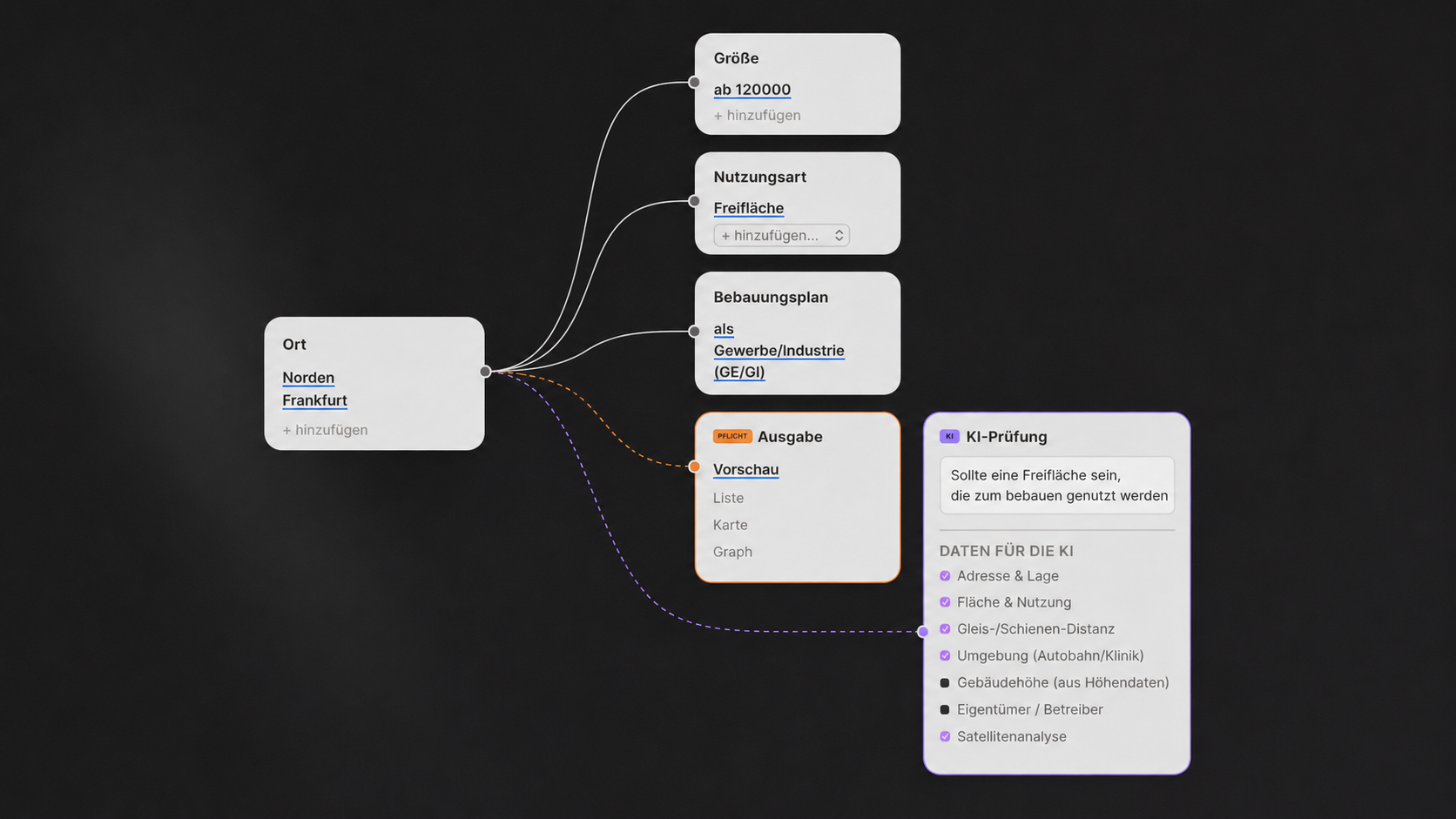
Set the criteria — location, minimum size, use class, zoning. Layrd searches every parcel against them and runs an AI check on each candidate, so only what genuinely qualifies comes back.

Layrd site search — location, size, use class and zoning criteria feeding an AI check

Address lookup

Or go the other way: type one address. In under ten seconds — ownership, vacancy, change history and price per m², cross-referenced from 30+ sources.

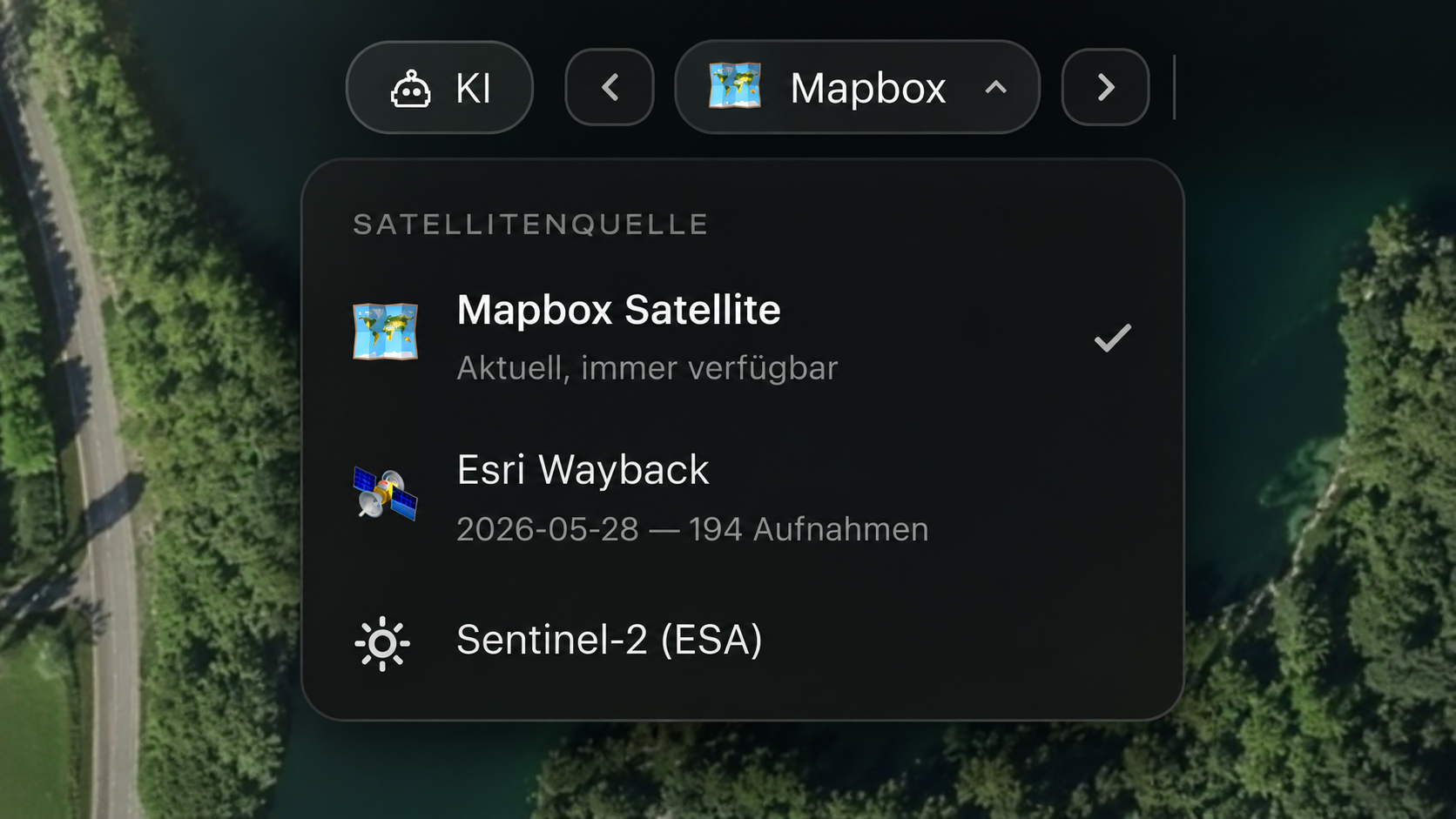
rekon — choosing a satellite source over an aerial view

Change detection

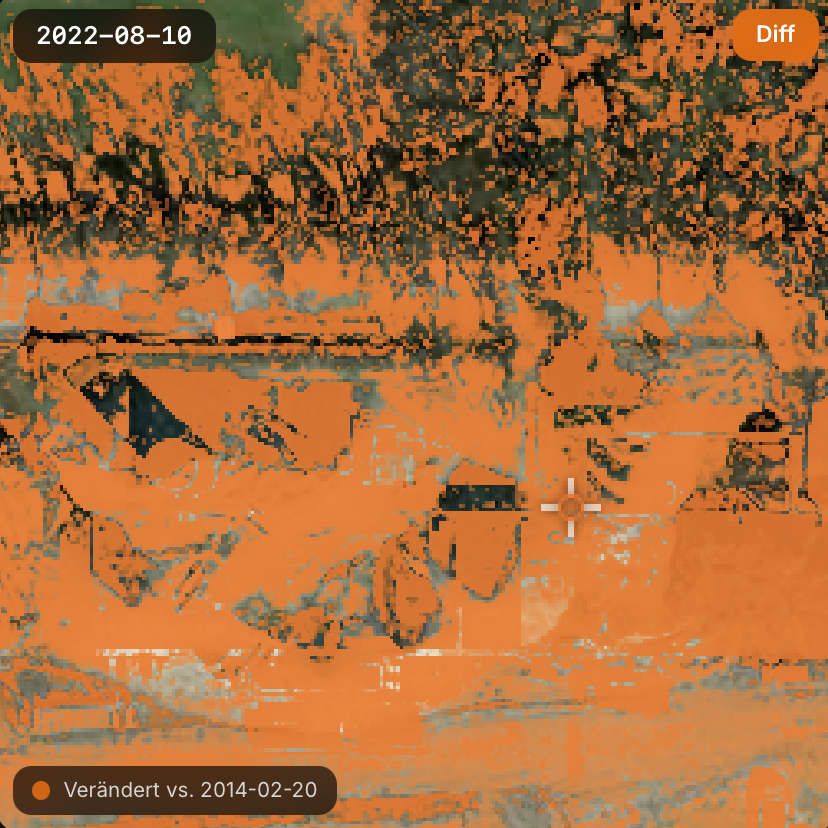
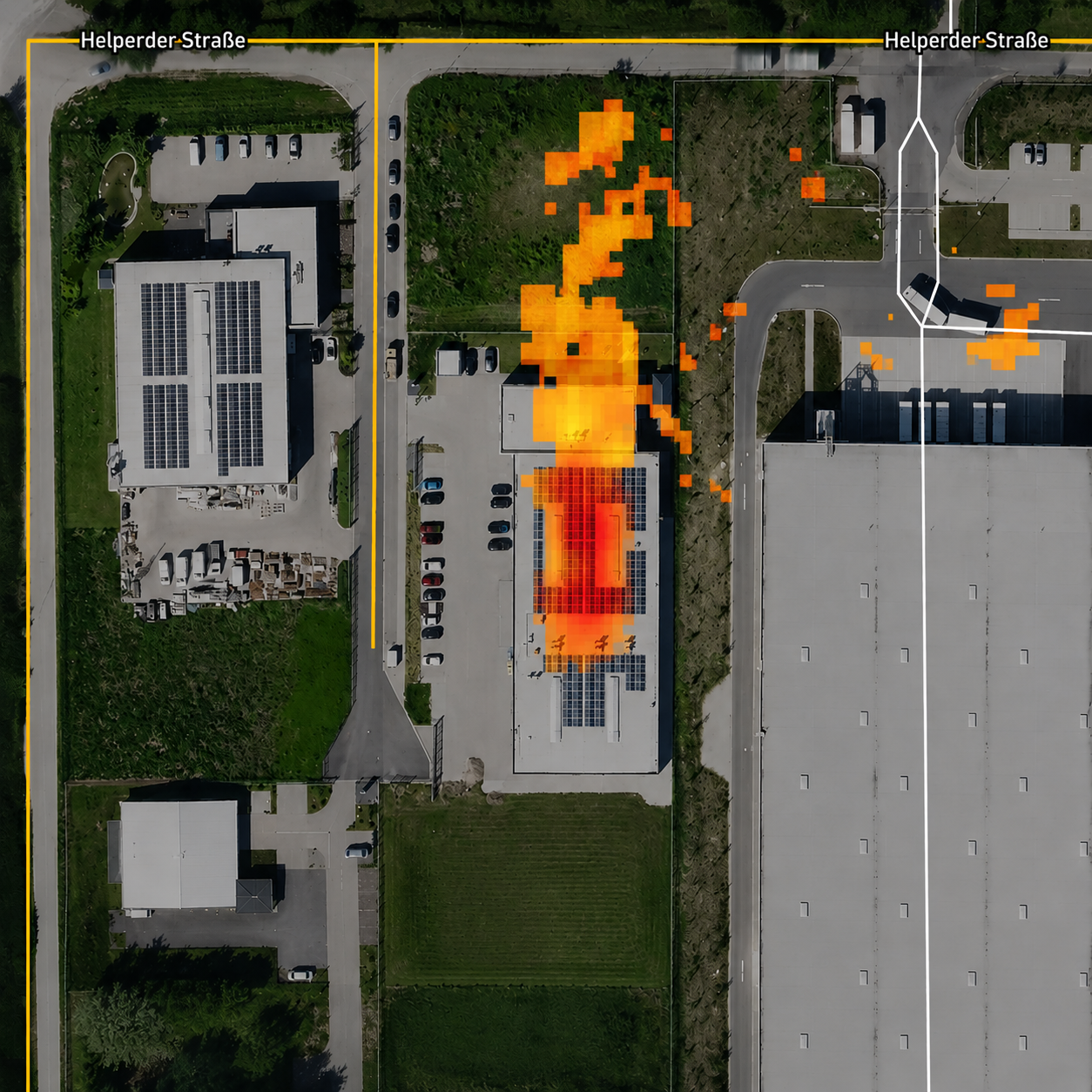
Near-daily satellite passes, compared automatically. Construction, extensions and reinvestment are flagged and dated.

rekon — change heat map highlighting activity across a site

Building analysis

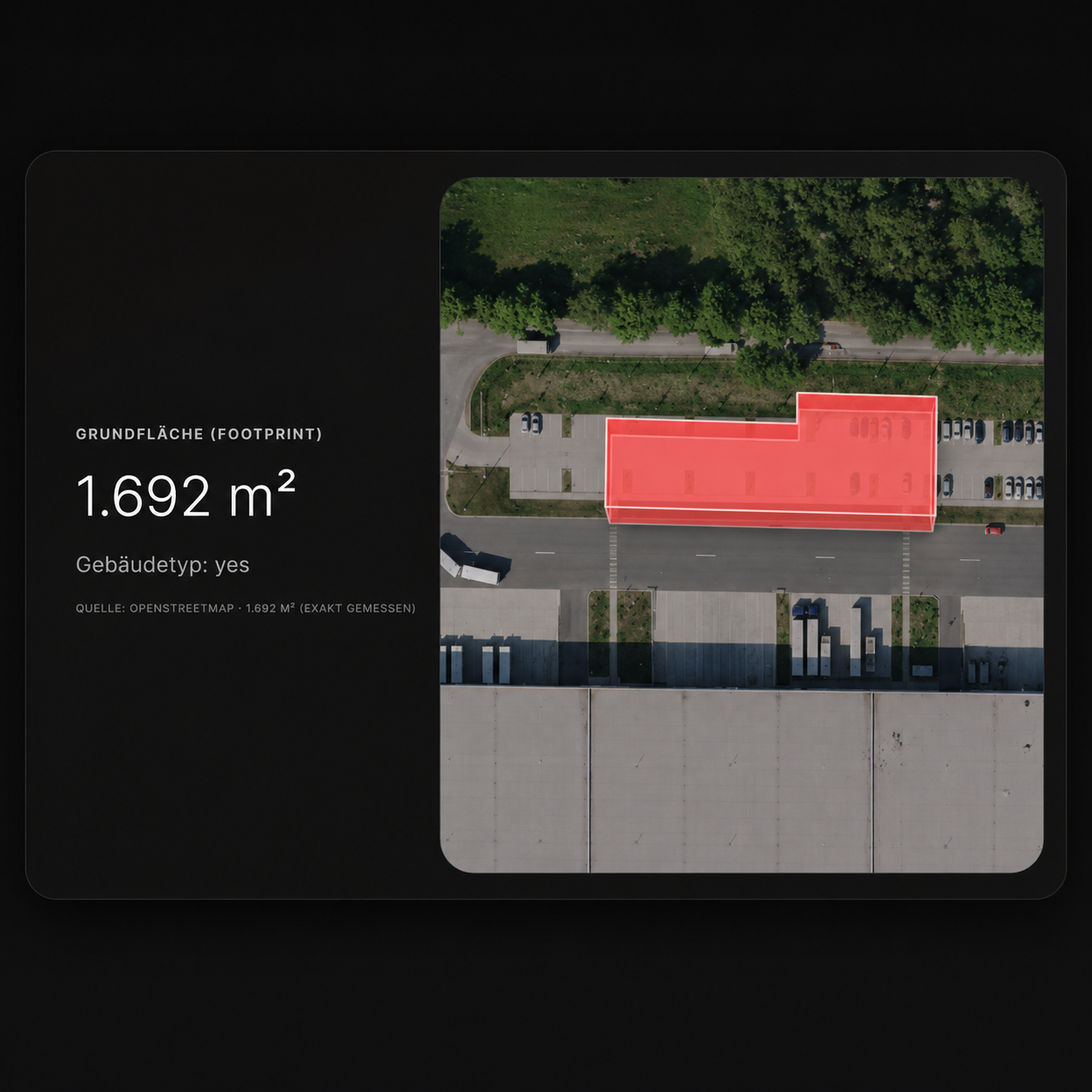
Footprint, height and gross floor area read straight from the satellite view — with an indicative price per square metre.

rekon — extracted building footprint with gross floor area

Ownership

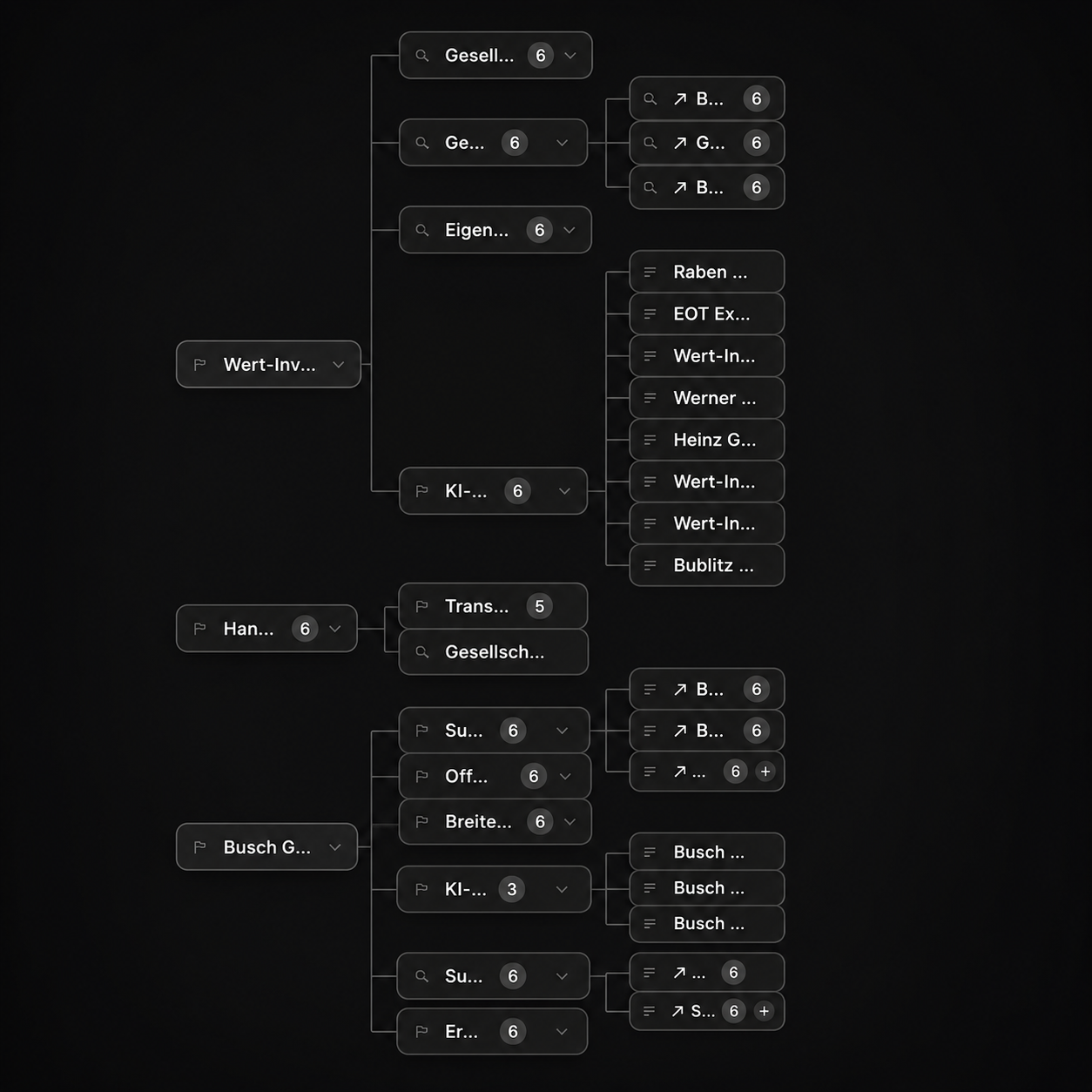
The full chain traced — holding structures, shareholders and tenants resolved from 30+ registry sources in seconds.

rekon — ownership chain expanded across holding companies and shareholders

3D model

Sentinel-2 passes reconstructed into a three-dimensional model of the site — elevation, building heights and volumes, without a survey.
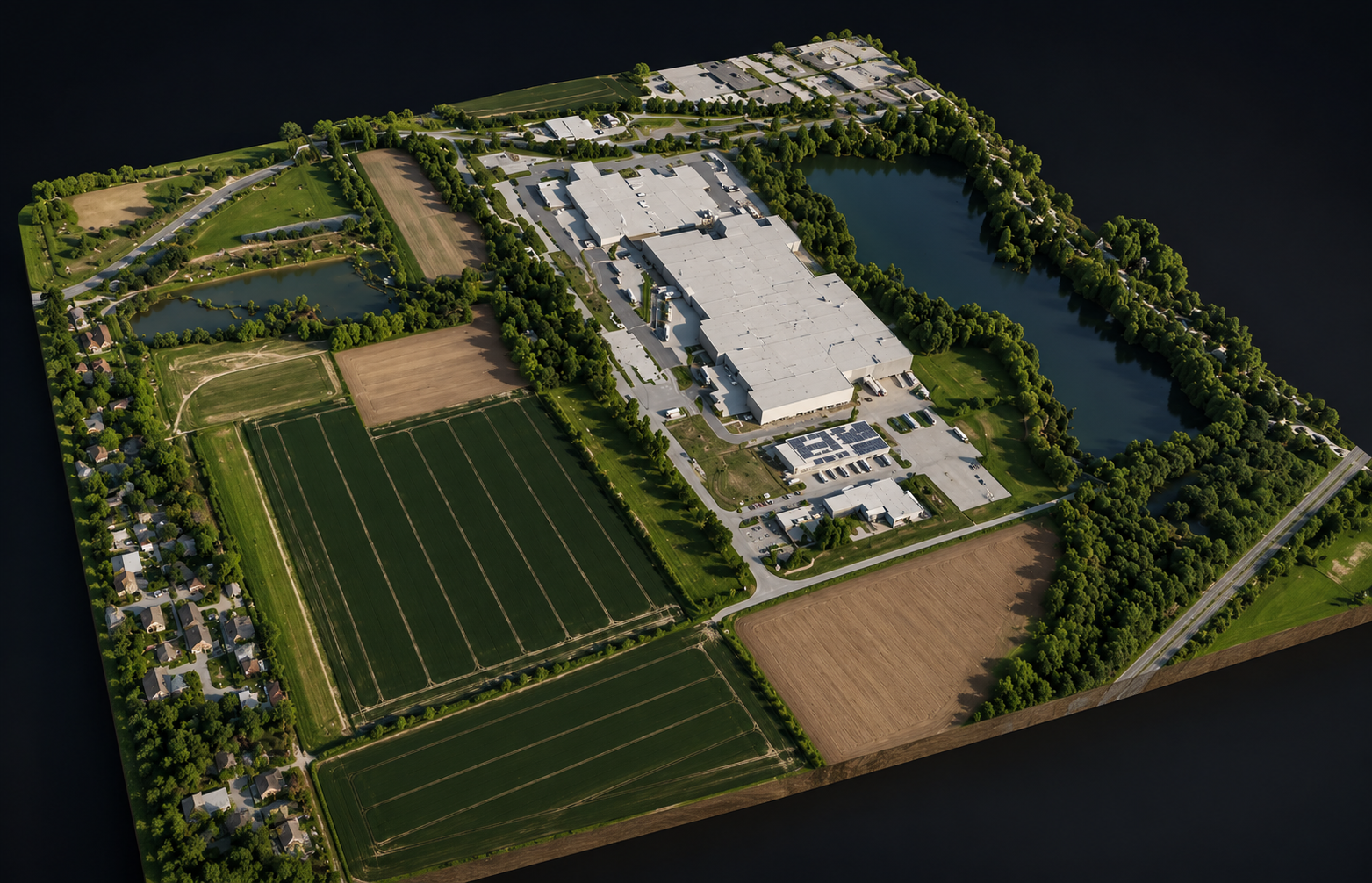
A three-dimensional terrain model of an industrial site with surrounding fields and water

Zoning & B-Pläne

Binding land-use plans read against the parcel: what may be built there, how high, at what density — and where the plan is still in procedure.
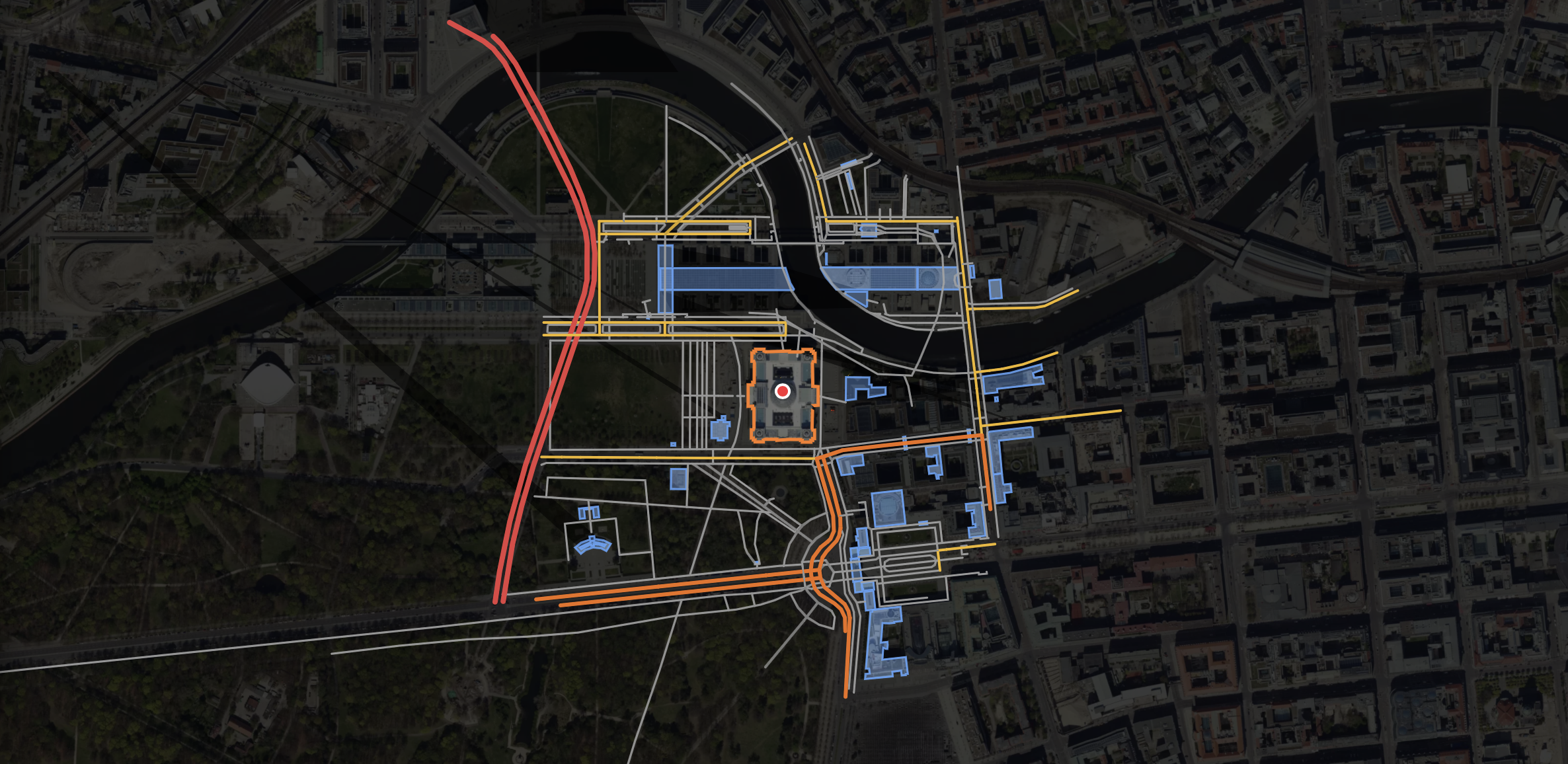
Infrastructure, access routes and building outlines mapped over an aerial view

Land values · BORIS

Official standard land values (Bodenrichtwerte) matched to the parcel — the benchmark every valuation starts from, without the manual lookup.
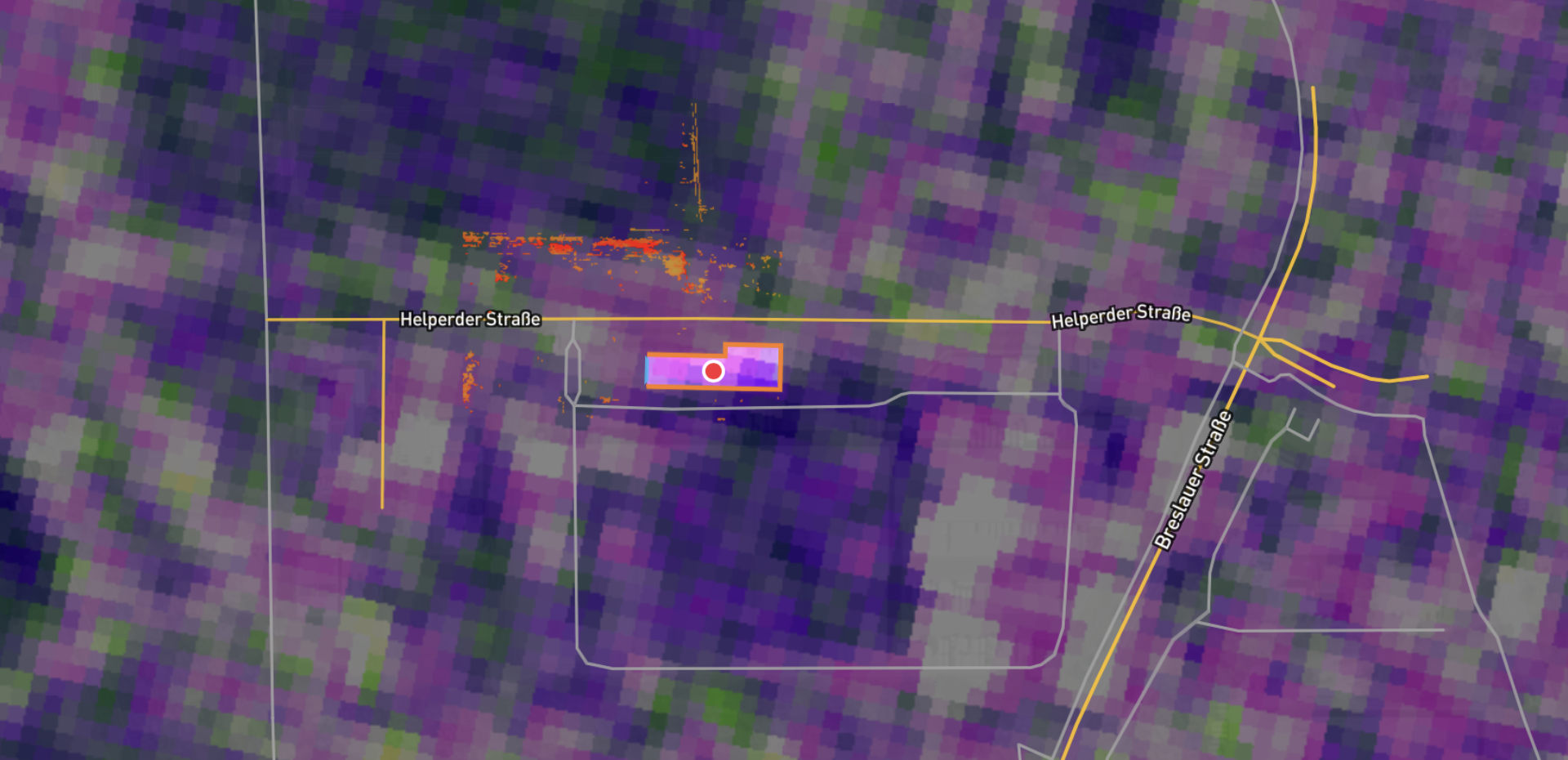
A highlighted parcel over a Sentinel-resolution analysis raster with street and boundary lines

How a commercial real estate firm uses Layrd to chase deals it once had to turn down

at a glance
Sector
Commercial real estate
Status
In production, active deals
Layrd in use — tracing the parties connected to a property

About

A commercial real estate firm working client search mandates — briefs specifying a use class, a minimum size and a region, where finding and validating matching sites decides whether the mandate is worth taking on at all.

Challenge

Qualifying a mandate meant establishing whether suitable sites even existed, then locating them: zoning, parcel size, ownership and site conditions checked by hand across disconnected sources. It took days. Anything that looked marginal was dropped rather than researched, because the groundwork cost more than the mandate was likely to return.

Solution

Layrd validates a mandate and surfaces the parcels that actually match it the same day. The firm now takes on enquiries it would previously have declined — opening a class of deal that was always there but never economic to pursue. The manual groundwork behind it, once two full-time research positions, runs on the platform.

Same dayMandates validated that once took days of groundwork
In playEnquiries that were previously dropped as uneconomic
LiveRunning on active deals, not a pilot
Layrd query builder — location, size, land use and zoning feeding an AI check

Everything starts with a question.

/ from question to answer

One question.
A fleet of agents.

Every search dispatches a set of agents across satellite imagery, registries, geodata and public records. They work in parallel, report back, and their findings are cross-checked before anything reaches you.

  1. 01

    You ask.

    A question in plain language. No filters, no schema, no GIS expertise.

  2. 02

    Layrd plans.

    The query is broken into what must actually be verified, and an agent is dispatched per data domain.

  3. 03

    Agents work.

    They run in parallel across satellite, registry, geospatial and public sources — then report back with evidence.

  4. 04

    You get an answer.

    Findings are cross-checked against each other. Only what holds up across sources is returned.

The physical world,
made queryable.

Every spatial question becomes a computation.
Layrd connects the layers that make reality searchable.

See how it works →
/ what rekon surfaces

One image.
Six datasets.

A single satellite pass contains more intelligence than most site visits. rekon extracts it automatically — footprints, roads, height, parking, change over time, and ownership signals — in one search.

Select satelliteSelect satellite
Change heat mapChange heat map
Floor plan extractionFloor plan extraction
Height visualisationHeight visualisation
AI analysisAI analysis
Detailed change detectionDetailed change detection
/ rekon · first product

See real estate
through AI satellite data.

Commercial real estate is one of the hardest spatial reasoning problems there is. Ownership buried in holding companies. Vacancy guessed from the street. Change patterns invisible to the naked eye. rekon reads all of it — directly from orbit.

01

Near-real-time satellite data.

Traditional map services show imagery that is weeks or months old. rekon pulls near-daily passes — every analysis starts from the freshest available view of the site.

02

Variance analysis across time.

The model compares time-offset images automatically. Construction, extensions, and shifts in surrounding infrastructure are flagged and dated without a human opening a second tab.

03

Geodata measurement + pricing.

From the satellite view alone, rekon extracts perimeter, height, and gross floor area — and combines it with regional comparables into an indicative price per square metre.

/ network

Every connection, mapped.

Behind every property sits a web of companies, shareholders, and individuals. rekon traces the full ownership chain — from the registered address to holding structures, co-investors, and every known tenant — and renders it as a single interactive graph. What used to take days of registry research takes seconds.

  • Registered owners & holding companies
  • Shareholders and co-investors
  • Active tenants and commercial operators
  • Planning connections and public entities
30+registry sources
< 10sfull chain traced
liveupdated daily
rekon network graph — ownership and tenant connections
rekon in detailSee how it works →
/ thesis

The internet is queryable.
Databases are queryable.
The physical world isn't.

For decades we've built search engines for the internet and for databases. But factories, ports, power plants and entire cities still can't be queried — and every important business decision depends on what is physically happening in the world. Answering those questions still takes days of manual research across disconnected systems. Layrd turns them into computations.

70M+Buildings
500M+Parcels
Billionsof public records

The world's data already exists. The problem isn't collecting more. The problem is that nobody can reason across it. Layrd makes the physical world computable.

Layrd is not a satellite company, a mapping company, or a data broker. We build the intelligence layer between AI and the physical world — assembling satellite imagery, geospatial data, and fragmented public records into answers you can act on directly.

rekon is the first proof. Commercial real estate is one of the hardest spatial reasoning problems. If we can compute it reliably, the same engine powers logistics, energy, insurance, infrastructure, and many more industries. Real estate is the starting point, not the destination.

/early access

rekon is live with pilot customers.
we're opening access to a select group
of brokers, investors, and asset managers.

query the world
before your competition does.

leave your email — we'll reach out.